Literacy Assistance Center
Follow us!
  • Home
  • About
    • Board of Directors
    • Staff Directory
    • Contact Us
    • Travel Directions
    • Privacy Policy
  • Professional Development
    • LAC Sample PD Workshops
    • Teaching Adult Literacy with Intention and Strategy Cohort
    • Literacy & Justice Leadership Institute
    • TEALL 2025
    • Strengths-Based Adult Education Cohort 2025
    • FELT
    • TESLA
  • Data Services
    • ASISTS
  • Advocacy
  • Ed Resources
    • Resource Blog
    • 7 Elements Effective Remote
    • Adolescent Literacy
    • Adult Education Conferences
    • Adult Literacy Policy & Advocacy
    • ABE/HSE
    • ESOL
    • College and Career Readiness
    • Immigrants Rights
    • Investing in Quality
    • Race and Racism
    • Remote Instruction
    • Technology and Digital Literacy
  • Jobs Board

​Digital Inclusion Week 2021: Pathways to Digital Empowerment

10/1/2021

 
Digital Inclusion Week is an annual campaign that recognizes local digital inclusion organizations and special events that promote digital equity across the country.

Please join us October 4-8, 2021 – this will be our biggest Digital Inclusion Week ever, with seasoned practitioners and newly launched programs hosting virtual and in-person events. DIW aims to raise awareness of solutions addressing home internet access, personal devices, and local technology training and support programs.

National Adult Education and Family Literacy Week

9/15/2021

 
National Adult Education and Family Literacy Week raises public awareness about the need for and value of adult education and family literacy. Its goal is to increase financial and societal support for access to basic education programs for U.S. adults with low literacy, numeracy, and digital skills. Advocates across the country use this opportunity to elevate adult education and family literacy nationwide with policymakers, the media, and the community.

AEFL Week Dates and Activities
In 2021, National Adult Education and Family Literacy Week will be observed from September 19 to September 25. NCL’s AEFL Week activities will focus on the pivotal role of adult education in enabling equitable access to societal resources, employment opportunity, and full participation in community life.

In 2022, National Adult Education and Family Literacy Week will be observed from September 18 to September 24.

Ways to Participate
  • Download the AEFL Week logo and use it in your social media, on your website, and in your print communications
  • Download and share NCL’s latest Adult Education Fact Sheet and NCL Fact Sheet
  • Customize and share NCL’s AEFL Week social media messaging 
  • Find literacy quotes and links to maps and data on adult literacy on NCL’s About Adult Literacy page
  • Check out toolkits and other resources from NCL members for planning advocacy around National AEFL Week
  • Invite your local, state, and federal policymakers to visit your program and meet your adult learners
  • Host an activity or event to raise awareness of adult education and family literacy.

Read More

U.S. House votes “Yes” on home broadband benefit and digital equity funding for states and communities

7/1/2021

 
The U.S. House of Representatives has passed the “Moving Forward Act” (HR 2), a $1.5 trillion infrastructure funding bill that includes $8.8 billion for a new “broadband benefit” program to help low-income households and recently laid-off consumers pay for internet connections, as well as $1.3 billion in funding for state and community digital inclusion initiatives.

NDIA Executive Director Angela Siefer enthusiastically welcomed the House vote. “This is an historic moment for digital inclusion practitioners and advocates, as well as for millions of urban and rural Americans who remain excluded from mainstream digital connection,” Siefer commented. “As we said when the broadband provisions of this legislation were made public last week, Congressional leaders are finally addressing all the causes of the persistent digital divide affecting communities of all kinds – big cities, small towns, suburban as well as rural areas. HR 2 would invest heavily to bring broadband fiber infrastructure to any community where it’s needed, including urban as well as rural neighborhoods, working with all kinds of providers — not just big incumbents. At the same time, it proposes major support for broadband affordability and adoption — creating a federal broadband benefit to make internet service affordable to everyone, providing more than a billion dollars to help states and communities fund digital inclusion initiatives, and requiring the FCC and providers to make the price of home broadband service transparent and public. This is the comprehensive approach to digital equity that our country needs.”

​Read More

Emergency Broadband Benefit Program

4/28/2021

 
In March 2021, the Federal Communications Commission (FCC) officially launched the Emergency Broadband Benefit Program (EBB). This program is designed to provide support for broadband services and certain devices to help low-income households stay connected.

Visit getemergencybroadband.org today to learn more about this program. Applications will be available at the end of April 2021.  Get Emergency Broadband Story video gives a more detailed explanation of the program.


Emergency Broadband Support Center Hotline: (833) 511-0311 or email [email protected]. The hotline is open from 9am-9pm ET, 7 days a week.

Information about the EBB program is still forthcoming. For more information please visit this LibGuide  developed by the Western New York Library Resources Council.  It is designed to help you stay up-to-date on what the Emergency Broadband Benefit Program entails, what the eligibility requirements are, and provide you with the resources you need to help your students stay informed. While this LibGuide is focused on the EBB, it also identifies other programs and funds related to digital equity available in both New York State and federally.

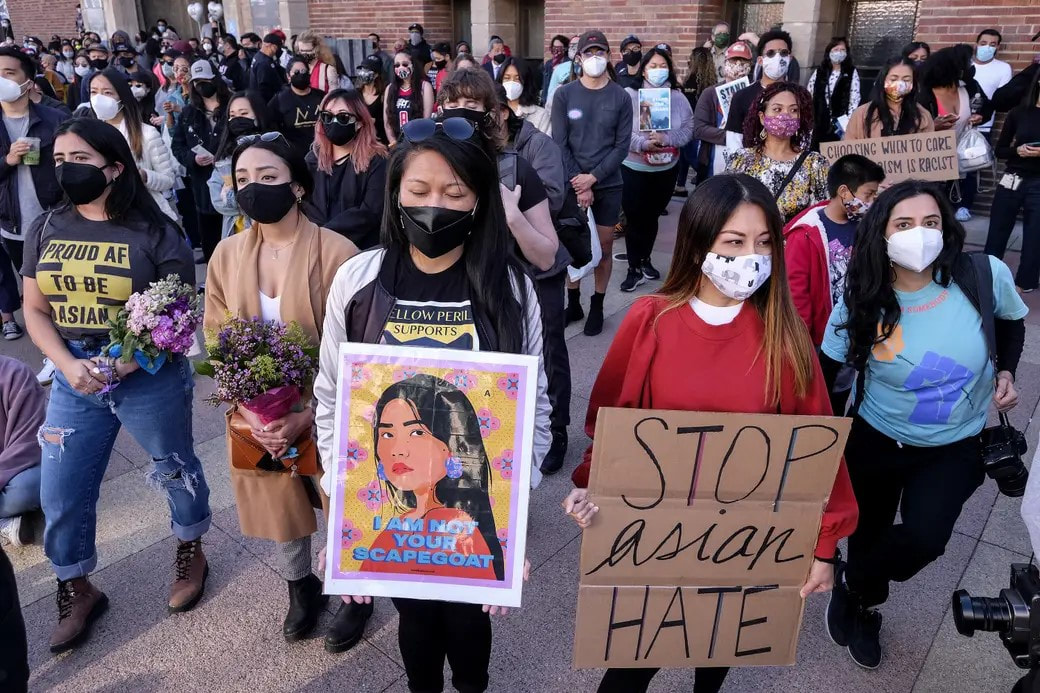
Stand up to Anti-Asian Racism!

4/7/2021

 
Lizelena Iglesias at the Literacy Assistance Center has put together a curated list of instructional resources and recommended readings on Anti-Asian Racism and Violence. 
​

You can find the list at this link:
​bit.ly/LACStandUptoAntiAsianRacism

March is Women's History Month

3/5/2021

 
March is Women’s History Month and March 8 is International Women’s Day.  Below are some teaching resources (useful all year round).

International Women’s Day Organization
https://www.internationalwomensday.com/
 
Women's History Month https://womenshistorymonth.gov/
Women’s History Month had its origins as a national celebration in 1981 when Congress passed Pub. L. 97-28 which authorized and requested the President to proclaim the week beginning March 7, 1982 as “Women’s History Week.” Throughout the next five years, Congress continued to pass joint resolutions designating a week in March as “Women’s History Week.” In 1987 after being petitioned by the National Women’s History Project, Congress passed Pub. L. 100-9 which designated the month of March 1987 as “Women’s History Month.” Between 1988 and 1994, Congress passed additional resolutions requesting and authorizing the President to proclaim March of each year as Women’s History Month. Since 1995, presidents have issued a series of annual proclamations designating the month of March as “Women’s History Month.” These proclamations celebrate the contributions women have made to the United States and recognize the specific achievements women have made over the course of American history in a variety of fields.

Women’s History Month organization
https://www.womenshistory.org/womens-history/womens-history-month
 
History Channel
https://www.history.com/topics/holidays/womens-history-month
 

Google Applied digital Skills lesson: Explore a Topic: Women's History https://applieddigitalskills.withgoogle.com/c/middle-and-high-school/en/explore-a-topic-womens-history/overview.html 

PBS Leaning Media: Unladylike 2020
https://ny.pbslearningmedia.org/collection/unladylike2020/
Unladylike2020 honors the centennial of women's suffrage. These digital resources present the rich history of 26 little-known Progressive Era women, diverse in profession, race, ethnicity, geographical and class backgrounds, sexual orientation and gender expression, who broke barriers in then-male-dominated fields such as science, business, journalism, exploration, and the arts.


Edutopia Women’s History Month: 6 Lesson Plan Resources for Teachers https://www.edutopia.org/blog/womens-history-month-lesson-plans-matt-davis

Houghton Mifflin Harcourt 6 National Women's History Month Activities for Students https://www.hmhco.com/blog/womens-history-month-activities-lesson-plans-for-students
 
Read Write Think March is National Women’s History Month
http://www.readwritethink.org/classroom-resources/calendar-activities/march-national-women-history-20452.html

Feminist Freedom Warriors (FFW) is a digital video archive documenting cross-generational conversations about justice, politics and hope with feminist scholar-activists. This collaborative effort features Chandra Talpade Mohanty, and Linda Carty in conversation with comrades and sisters in struggle, with a team of graduate and undergraduate students providing creative, research, and technical assistance
http://feministfreedomwarriors.org/

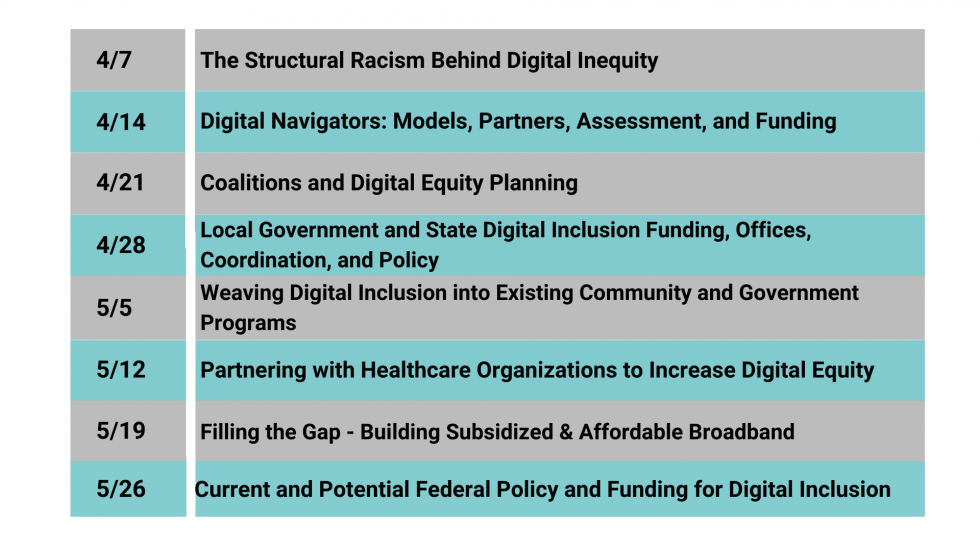
Net Inclusion Webinar Series April 7-May 26, 2021

2/18/2021

 
The National Digital Inclusion Alliance (NDIA) is holding a Net Inclusion webinar series to substitute their usual in-person conference. 

This series will include eight one-hour webinars, every Wednesday from April 7th through May 26th at 1 PM ET. All webinars include an additional 30-minute wrap up for conversation and Q&A with panelists and fellow participants.

Attendees who register before 3/15 will receive stickers and a thank you letter.
​Register here
Learn more about NDIA here
Picture
Picture

6 Ed Tech Tools to Try in 2021

2/5/2021

 
Cult of Pedagogy is a website by Jennifer Gonzalez that offers great instructional technology resources including a blog and a podcast.   In a January 10 article called 6 Ed Tech Tools to Try in 2021 Jennifer provides an overview of 6 tools
  1. Mote justmote.me
  2. Allslides allsides.com
  3. Google Lens lens.google.com
  4. Bulb bulbapp.com
  5. EmbraceRace embracerace.org
  6. Prezi Video prezi.com/video
​The article includes an overview and a tutorial video for each tool.  Jennifer recognizes how overwhelming all this instructional technology can be and offers some thoughts in an overview video that starts with "Tech Overwhelm Ends Now."

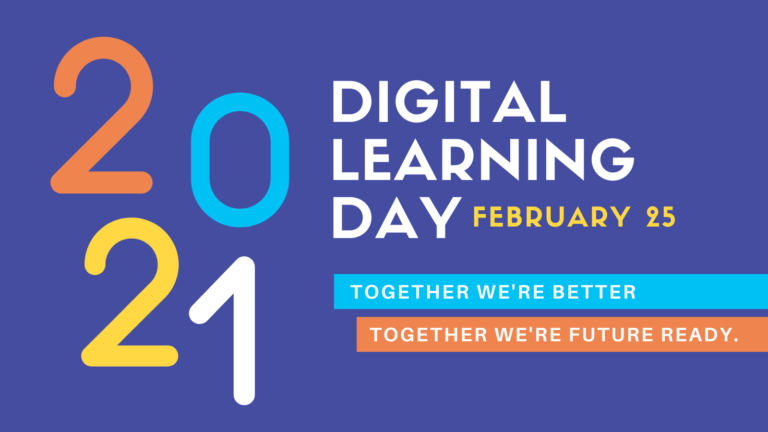
February 25 is Digital Learning Day

2/3/2021

 
Picture
Ways to participate Digital Learning Day on February 25th.:
 
Share or find new digital learning resources
Digital Learning Day is about ensuring that all students have access to high-quality learning everywhere, every day - & also about being better, together. So on tell the #DLDay2021 network, what's YOUR favorite instructional tool to support #digital learning?
http://dlday.org/resources
 
Attend a workshop
NYACCE Presents: Google Applied Digital Skills Bootcamp
February 25, 2021
2:00pm - 4:00pm
Description:  In this session We will take you on a tour of Google's Applied Digital Skills lessons.  We will discuss how to find lessons you want to use for your own development and improvement of Google Skills or for work with your students.  You will learn how to create classes on the Applied Digital Skills platform and how to switch  between profiles.  We will also share some Google tips and tricks.
Facilitators:  Nell Eckersley and Melinda Holt
Audience: ABE/HSE and ESOL Instructors
Registration Link: https://googleappskis22521.eventbrite.com 
 
Learn about something new in the digital literacy world like:
From the National Digital Inclusion Alliance (NDIA) 
Emergency Broadband Benefit: Overview and What We Know So Far
The Emergency Broadband Benefit program is a provision of the Consolidated Appropriations Act slated for $3.2 billion to reimburse internet service providers (ISPs) $10 to $50 a month for providing broadband service and up to $100 for providing devices to low-income households.
  1. NDIA published an overview document and webinar to help digital inclusion practitioners determine how they might access the new resources. 
  2. NDIA filed comments to the Federal Communications Commission on the EBB program in order to address a number of concerns regarding outreach, eligibility, and transparency.  
  3. NDIA published a blog post reviewing everything we know so far about the program. 
NDIA commits to updating our community as we learn more about how the legislation will be implemented. 

February is Black History Month.

2/2/2021

 
February is Black History Month.  Below are some teaching resources (useful all year round). 
 

Facing History 
https://www.facinghistory.org/educator-resources/current-events/february-2021-honoring-black-agency-black-joy
This February, schools across the country recognize “Black History Month” with lessons, activities, and events meant to spotlight important figures in Black history and milestone events in the trajectory of Black life in America. 
Here at Facing History, we know that Black history is central to all of American history, and should be part of a robust teaching curriculum year-round. Alongside the lessons of Black history, it’s also critical to honor the resilience, creativity, and vitality of Black people in the face of inequity and violence, past and present. That’s why, this year, we’re celebrating Black History Month by honoring the themes of Black Agency & Black Joy.
Stay tuned this month as we share an array of teaching resources and blog posts designed to promote innovative instruction and reflection on these topics and help you strengthen your Black history curriculum for February and beyond.


February is African American History Month 
The Library of Congress, National Archives and Records Administration, National Endowment for the Humanities, National Gallery of Art, National Park Service, Smithsonian Institution and United States Holocaust Memorial Museum join in paying tribute to the generations of African Americans who struggled with adversity to achieve full citizenship in American society. https://www.africanamericanhistorymonth.gov/

Edutopia: Choosing Culturally Responsive Images to Connect With Students
By Lidia Aguirre
October 14, 2020
https://www.edutopia.org/article/choosing-culturally-responsive-images-connect-students
For teachers who are just starting to weave students’ backgrounds into their practice, focusing on the images in lessons is a good option.
 

PicDiversity
https://www.picdiversity.org/
The idea for PicDiversity began with a conversation between Founder Rachel Hanley and Chicago teacher, Nereyda Dockett. Neddy expressed a need for diverse photography to use in her classroom to demonstrate classroom behaviors in her Kindergarten class. As it turned out, Rachel was researching education policy and aggregating teacher input in her juris doctorate studies. After more research, Rachel realized the issue was bigger than just Kindergarten classrooms—it was a systemic issue. Our kids needed not just visuals as diverse as they are, but they needed exposure to role models that look like them, from a variety of careers. She pulled together team and PicDiversity was born. 

Black History Month 2021 Theme, "The Black Family: Representation, Identity and Diversity"
The Association for the Study of African American Life and History (ASALH) invites you to attend the 2021 Virtual Black History Month Festival. Several events are free and open to the public on ASALH TV, the association’s premier YouTube channel! https://asalh.org/festival/

Anti-Defamation League: Teaching Black History https://www.adl.org/education/resources/tools-and-strategies/black-history-monthIn schools and classrooms, Black History Month is an excellent time to explore the Black experience—including the history and culture of African-American people, the injustice faced by them and how that injustice has been and continues to be confronted and overcome. As with other similarly themed months, it is important not to isolate black history and culture into one month during the year. Black history is American history and should be integrated into the curriculum throughout the school year.
This month we feature our teaching guide 10 Ideas for Teaching Black History Month as well as additional K-12 curriculum and other resources to bring the themes of Black History Month to your classroom during February and throughout the year.

Teaching Tolerance
 https://www.tolerance.org/ 
Teaching Tolerance provides free resources to educators—teachers, administrators, counselors and other practitioners—who work with children from kindergarten through high school. Educators use our materials to supplement the curriculum, to inform their practices, and to create civil and inclusive school communities where children are respected, valued and welcome participants. 

Center for Adult English Language Acquisition (CAELA) ESL Activities for African-American History Month 
Lynda Terrill
Updated January 30, 2007
https://www.cal.org/caela/esl_resources/civicsAAmon.html
African-American History Month offers many opportunities for adult English language learners to begin to understand the complex history and culture of the United States at the same time they are acquiring English. This yearly observance can be particularly fruitful because many communities provide a variety of free activities in the form of music, art, conferences, and speeches that classes can attend. TV and radio also offer special programs that can be used as homework assignments, or taped for focused use in the classroom.

African-American History Month or Black History Month, as it is also called, was established in February 1976. This celebration was an extension and evolution of the original Negro History Week which was established by Dr. Carter G. Woodson in 1926. This month celebrates the immense contributions that African-Americans have made to the United States while acknowledging that for much of the country's existence, these contributions have been ignored or downplayed.

More resources are available on our 
Instructional Resources on Race, Racism, Police Violence, and Antiracism page.
Forward>>

    Author

    Resources shared by the staff of the Literacy Assistance  Center

    Archives

    March 2023
    October 2022
    August 2022
    March 2022
    January 2022
    November 2021
    October 2021
    September 2021
    July 2021
    April 2021
    March 2021
    February 2021

    Categories

    All
    AllSlides
    Anti-Asian Racism
    Black History Month
    Bulb
    COABE 2023
    Digital Divide
    Digital Equity
    Digital Equity Act
    Digital Inclusion
    Digital Inclusion Week
    Digital Learning
    Digital Learning Day
    Digital Skills
    EmbraceRace
    Google Lens
    Instructional Resources
    Instructional Technology
    Job Skills
    LINCS
    Mote
    National Adult Education And Family Literacy Week
    National Coalition For Literacy
    National Skills Coalition
    NDIA
    NYSCATE
    Online Courses
    Prezi Video
    Racial Equity
    Soft Skills
    Technology Based Coaching
    Technology Integration
    Text Messages
    Webinar Series
    Womens History Month

Literacy Assistance Center | 85 Broad Street | 16th Floor | New York | NY 10004
​

Staff | About | Prof Dev | Data Services | Advocacy | Ed Resources | Jobs Board
Donate